1000 loan
KM
Katy McWhirter
Finance & Loans Editor · Updated October 2026
Katy McWhirter
Finance & Loans Editor · Updated October 2026
Imagine you are driving through the Central Valley when your car suddenly loses power—a $1,000 repair is exactly what you didn't need this month. For many Californians, a 1000 loan is not a lifestyle choice but a tactical response to life's unexpected friction. In 2026, the way we access these funds has changed; while some fear the 'quick fix' stigma, modern micro-lending offers more transparency than ever before. However, navigating this landscape requires understanding the difference between helpful credit and predatory debt.
This guide is designed to move past the hype and provide a clear-eyed look at what a $1,000 loan actually entails in today's market. We will examine how much you might truly pay back, how to compare different borrowing methods, and how to avoid the pitfalls that lead to cycles of debt. Whether you are looking to cover an emergency or bridge a gap before your next paycheck, understanding the math is your best defense.
Currently, for 2026, many consumers are seeing APRs ranging from 15% to as high as 34% on these small-scale personal loans. While a $1,000 loan might seem minor, its impact on your credit depends entirely on how you manage it. Most digital lenders can now process an application in minutes, with funds often arriving within 24 to 48 hours of approval.
The cost of living in California remains a primary driver for demand in the micro-loan sector. As inflation impacts essential services, many consumers find themselves needing exactly $1,000 to cover specific, time-sensitive expenses like car repairs or medical co-pays. This isn't necessarily a sign of financial instability, but rather a strategic use of credit to manage cash flow timing in an expensive state.
In 2026, we see a distinct trend where borrowers are moving away from traditional payday lenders and toward more regulated digital platforms. These modern lenders often provide much clearer terms than the old-school storefronts that dominated the previous decade. However, it's important to note that borrowing is not free; even with better regulation, interest still applies.
When looking at these trends, it's helpful to consider how Experian and other credit bureaus view small, timely repayments. Using a $1,000 loan to consolidate smaller, higher-interest debts can actually improve your credit utilization ratio if managed correctly. This nuance is often missed by those who see any form of debt as purely negative.
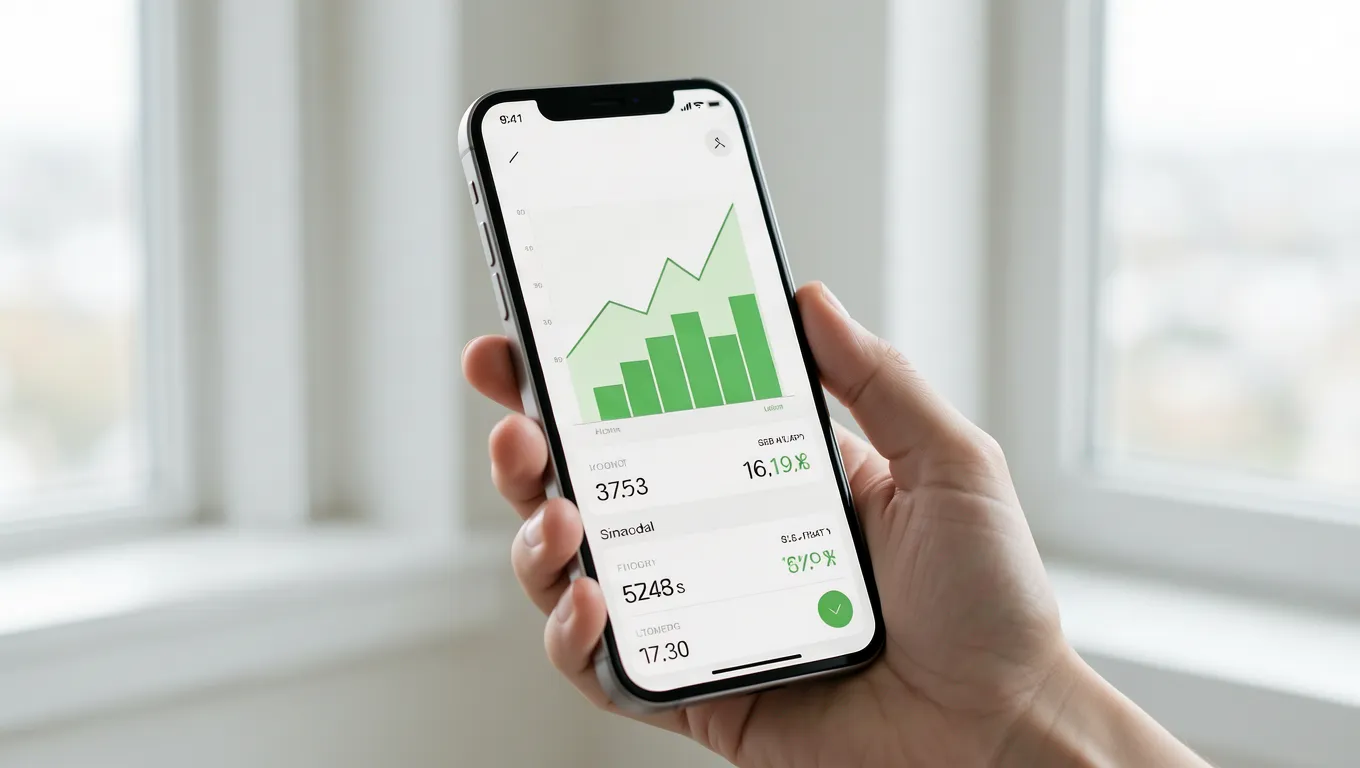
When you need exactly $1,000, the math changes depending on where that money comes from. Let's compare two common scenarios: a standard credit card and a structured personal loan.
Scenario A involves using a high-interest credit card with an APR of 28%. If you spend $1,000 and only make minimum payments (roughly 3% of the balance), it could take years to pay off, and you would end up paying significantly more than the original amount due to compounding interest. This is often a very expensive way to borrow money.
Scenario B is a structured personal loan at an 18% APR with a fixed term of 12 months. In this case, your monthly payment would be approximately $91.50. By the end of the year, you have paid back roughly $1,098. This predictability allows for much tighter budgeting and a clear endpoint to the debt.
Before signing any agreement, run through this decision framework to ensure the loan is a tool rather than a trap:
One of the most common mistakes borrowers make in California is falling victim to predatory lending practices that hide fees within the fine print. Some lenders may offer 'no interest' loans that actually include massive origination fees or prepayment penalties. Always ask specifically about these costs before committing.
Another pitfall is ignoring the impact of your debt-to-income ratio. Even a small $1,000 loan adds to your total monthly obligations. If you already have high credit card balances, adding another installment can make it harder to qualify for larger, more important loans like an auto loan or a mortgage in the future.
To avoid these issues, always look for lenders that are transparent about their APR and do not require access to your bank account via invasive third-party apps without clear disclosure. Always read the fine print regarding how you can pay the loan back early.
In 2026, applying for a small personal loan is largely a digital experience, but preparation remains key. To avoid delays, ensure you have the following ready:
There is a strategic way to use small-dollar credit that many people overlook: bridging an income gap caused by timing rather than lack of funds. For example, if you are expecting a tax refund or a work bonus in two weeks but have an immediate bill due today, a $1,000 loan can act as a temporary bridge.
In this specific edge case, the goal is to use the loan for its shortest possible duration. If you can pay it back in full the moment your extra income arrives, you minimize interest costs and maximize the utility of the credit. This approach turns debt into a tactical tool rather than a long-term burden.
However, this only works if the funds are actually available to repay the loan. Using a loan for something that doesn't have an immediate repayment source is when the risk of a debt cycle increases significantly.